Plant Health Care is built on three principles: prevention, monitoring and diagnosis, and treatment only when it is needed. Led by a Board Certified Master Arborist and grounded in tree biology and soil science, not one-size-fits-all programs. Accurate diagnosis is the foundation. Guesswork has no place in PHC.
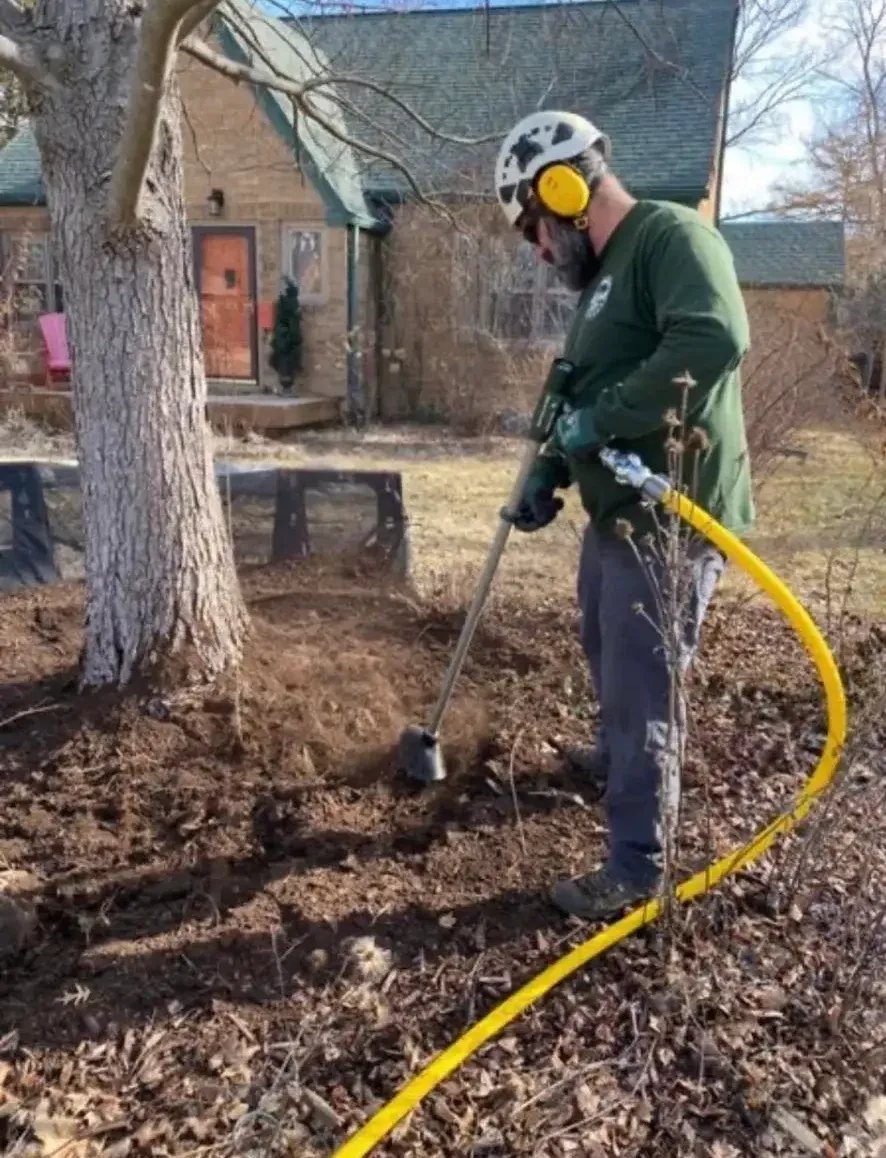 Deep root fertilization
"If homeowners watered their trees properly, I would be out of the Plant Health Care business." Matt Tiemann, owner and conflicted practitioner. Many tree issues are not caused by insects or disease but by water stress, too little or too much, which leads to secondary stressors. Poor drainage, soil compaction and improper mulching can keep water from the roots or starve them of oxygen. Over-watering can be as damaging as drought.
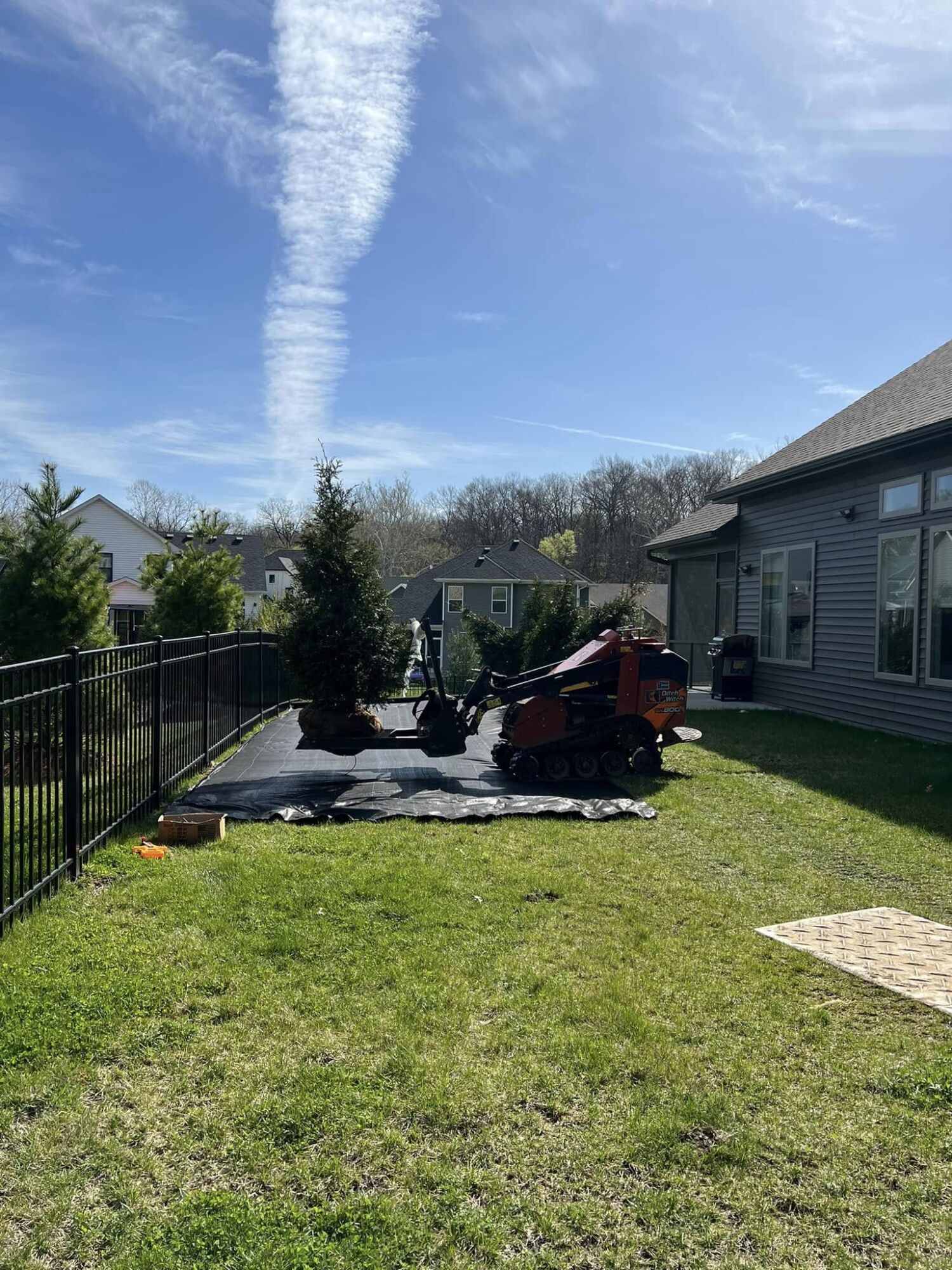
Construction is one of the most common causes of long-term tree decline. Equipment traffic, grading and material storage compact the soil in the root zone, limiting oxygen and water and damaging roots even when no roots are visibly cut. The damage is often delayed. Trees look stable for years, then decline shows up as thinning canopies, dieback, pests or failure, and by then significant root damage has already happened.
Building or renovating? Get us out before the equipment arrives
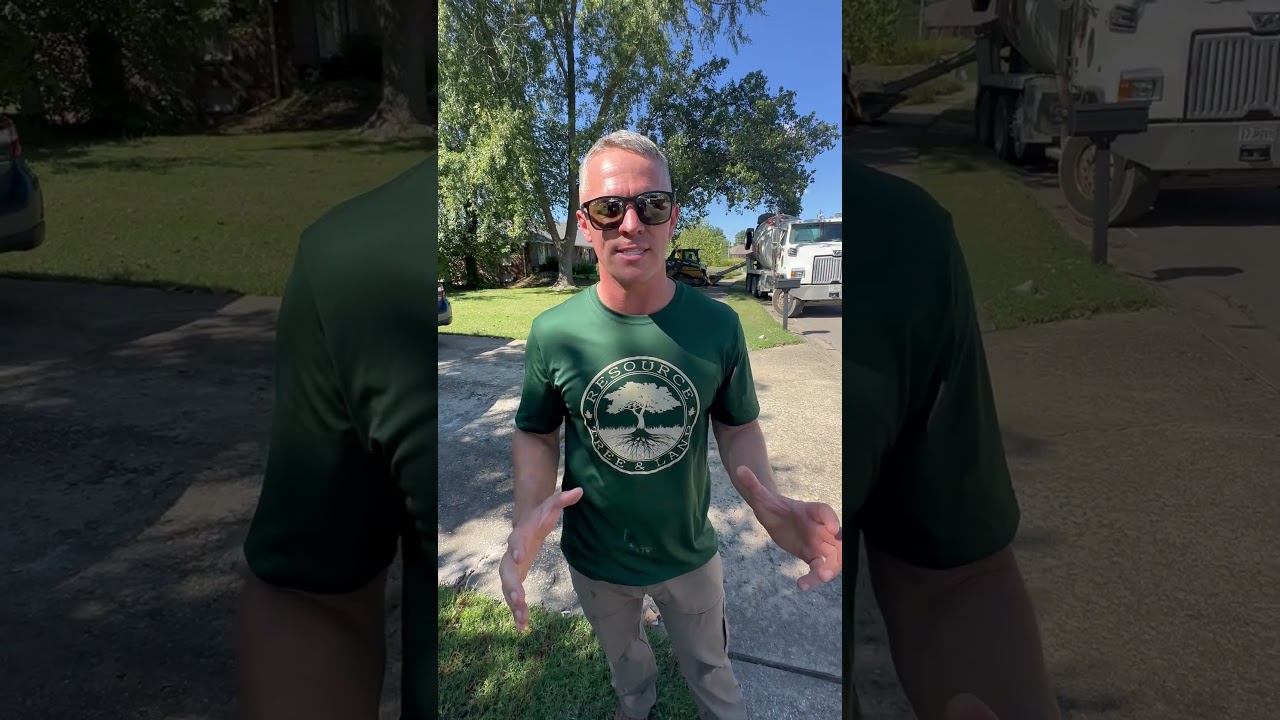
A Board Certified Master Arborist brings the highest level of training and experience in the arboriculture profession.
Programs grounded in tree biology, soil science and long-term risk management, not one-size-fits-all treatments.
Site analysis, soil and tissue tests, and decisions based on biology, seasonality and site conditions.
Precise, purposeful treatments based on how the tree and the site respond. No unnecessary applications.
Most tree problems begin the day a tree is planted. Right tree, right depth, right water and right mulch prevent most of them.
Healthy trees resist insects, disease and stress. We start with soil structure and biology, nutrient balance, and moisture, compaction and root health. Address the site early and many problems never happen.
Trees change over time. Regular inspection tracks vigor and growth, catches early signs of pests, disease or stress, and uses site analysis plus soil and tissue tests to make informed decisions.
When treatment is needed: soil amendments and deep root fertilization, growth regulators, integrated pest management, disease suppression or nutrient correction. The right solution, at the right time, in the right way.
Thinning canopy, dieback, leaf spots, a tree that never took off, or construction on the way. Matt looks first, diagnoses, then prescribes only what is needed.
Did not see yours? Call 573-424-5409 or put it in your request and we will answer it directly.
Select the right tree for the right location, plant it at the right depth with the right technique, water correctly from day one, mulch correctly to protect the root zone, and be proactive rather than reactive. Preventive care protects your investment, reduces corrective treatments and sets trees up to thrive for decades, not just seasons.
No. Treatment by prescription, not subscription. When treatment is needed we apply the right solution at the right time in the right way. Treatments are precise and purposeful, never routine or blanket applications.
Check moisture 6 to 8 inches deep, not at the surface. The soil should be cool and slightly moist before you water again. Water slow and deep, and adjust for tree age, species, soil type, drainage and weather instead of a fixed schedule. We offer custom watering plans tailored to your trees, soil and site.
Possibly, even if no roots were cut. Equipment traffic, grading and material storage compact the root zone, and the decline often shows up years later. We can assess the site and put soil remediation in place to improve root health and slow or stop the decline.
Thoughtful, informed homeowners make the best long-term decisions for their trees. As a small thank you, mention the root fertilization photo at the top of this page when you contact us and receive 20% off your next Plant Health Care service.
