
Most Mid-Missouri homeowners are unaware of the hidden threat posed by Phytophthora root rot. This devastating disease, caused by various species of the Phytophthora pathogen, primarily affects oak, maple, dogwood, and other ornamental yard trees. If left untreated, it can lead to significant decline and even death of affected trees. Large oak trees in irrigated yards are particularly vulnerable, making early identification and prevention crucial. Fortunately, early intervention and professional plant health care services can help prevent and manage this disease effectively.
Understanding Phytophthora Root Rot
Phytophthora is a soilborne pathogen that thrives in wet, poorly drained soils. The disease is most common here in Columbia, Missouri during periods of heavy rainfall, particularly in the spring and fall. It infects tree roots, causing decay and impairing the tree’s ability to absorb water and nutrients.
What does root rot look like?
While walking around your yard, we recommend looking for the following (especially when it comes to discoloration around the trunk):
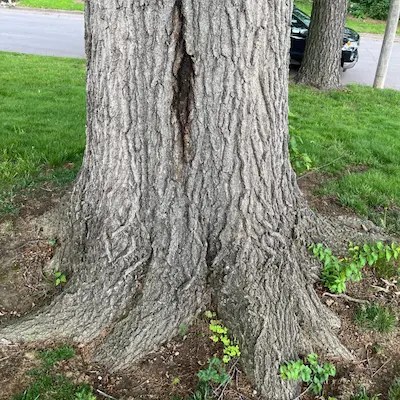
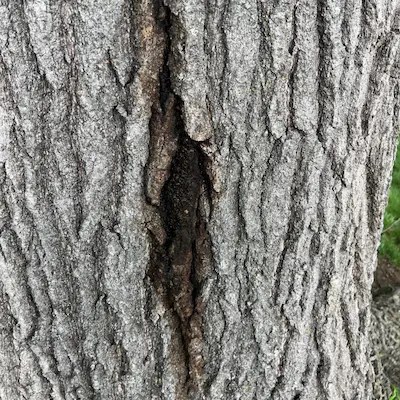
- Bleeding Cankers – Some trees, particularly oaks, may develop dark, oozing lesions on the lower trunk. Most commonly home owners call about trees with black weeping stains at the base of the tree.
- Wilting and Yellowing Leaves – Trees may exhibit chlorosis (yellowing) and wilt, even when soil moisture appears adequate.
- Slow Growth and Dieback – Affected trees often show stunted growth and branch dieback, particularly in the canopy.
- Dark, Decayed Roots – Infected roots become soft and blackened, often with a foul odor.
These symptoms can resemble other diseases, such as drought stress or nutrient deficiencies, so we recommend contacting our Plant Health experts to diagnose and put together a treatment plan.
Yards with Irrigation Systems Put Large Oaks at a Higher Risk
Large oak trees in yards with irrigation systems are particularly susceptible to Phytophthora root rot. Excess moisture around the root zone creates the perfect conditions for the pathogen to thrive. Many homeowners unknowingly have oversaturated root flares and root zones on their large trees, leading to prolonged soil saturation, which encourages fungal growth and root decay.
In new construction we see this all too often: A new home is built close to a large oakthe topsoil is disturbed, compaction stress is introduced, sod is laid, and a watering system is put in place. This vastly changes the dynamics of that tree’s roots. This tree has grown for sometimes 100+ years with a more natural setting. This is prime conditions for pathogens like root rot to come in and kill the tree the homeowner invested so heavily to build around and save.
To protect large oaks and other valuable trees, proper water management and drainage solutions must be implemented. Avoiding over-irrigation and improving soil aeration can significantly reduce the risk of infection. Along with antifungal treatments to boost the tree’s natural defense and stop active infection.
How to Prevent Phytophthora Root Rot
Cultural Practices to Reduce Risk
- Improve Drainage – Since Phytophthora thrives in wet soils, avoid overwatering and ensure proper drainage.
- Mulching – Apply mulch around the tree base (but not against the trunk) to maintain soil moisture balance.
- Adjust Irrigation – Reduce watering frequency, especially for mature trees, to prevent excessive soil moisture.
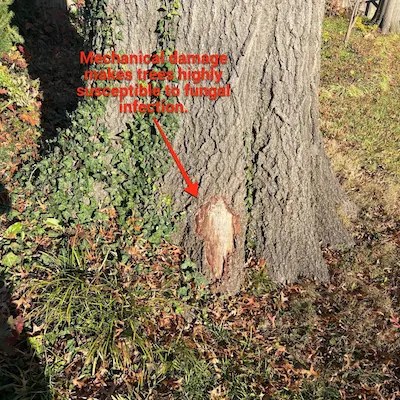
- Avoid Mechanical Damage – Wounds on roots and trunks can serve as entry points for pathogens.
- Plant Resistant Species – Some tree species exhibit natural resistance to Phytophthora.
The Importance of Hiring a Plant Health Care Technician
While homeowners can take steps to protect their trees, professional intervention is often the most effective way to prevent and manage Phytophthora root rot. A Plant Health Care (PHC) Technician is trained to assess tree health, diagnose diseases, and implement proactive treatment plans tailored to the needs of your landscape.
Hiring a Plant Health Care Technician can provide:
- Early Detection & Diagnosis – Trained experts can identify early symptoms of Phytophthora before irreversible damage occurs.
- Custom Treatment Plans – PHC professionals use targeted treatments such as soil drenches, injections, and fungicides to manage infections.
- Soil Health Assessments – Proper soil conditions are crucial in preventing root rot. Technicians can recommend drainage improvements and soil amendments.
- Long-Term Tree Care – Regular monitoring and maintenance ensure that trees remain healthy and resilient against future infections.
Treatments to Help Prevent Root Rot
Like most things in life, an ounce of prevention is worth a pound of cure. Insuring proper soil health, mulching, and watering will save you so much in the long run.
One of the best treatments available for Phytophthora root rot prevention is using a phosphite-based fungicide that enhances a tree’s natural defenses. This product works by activating systemic acquired resistance (SAR) and directly suppressing the pathogen. We use this protocol with great success on 100s of Columbia’s yard trees. We can help therapeutically but this product is most effective preventatively. If a high value tree is trimmed, or the root zone is stressed it is an affordable and highly effective option to treat.
Application Methods: How to Treat Root Rot
- Soil Drenching – Helps protect root systems by applying diluted treatment around the base of the tree.
- Bark Sprays and Foliar Sprays – Can be used to boost systemic resistance by absorbing through trunk bark and or leaves.
- Trunk Injection – In cases of severe infection, injections deliver the treatment directly into the tree’s vascular system for rapid uptake.
Phytophthora Root Rot Causes a Threat to Columbia Homes if Left Untreated
Phytophthora root rot poses a serious threat to Columbia, Missouri yard trees, particularly large oaks in irrigated landscapes. Early intervention can make all the difference. Homeowners should focus on proper site management, adjust irrigation practices, and invest in proactive treatments. Reach out to our Plant Health experts Philip King and Matt Tieman to come out and assess your trees to help keep this growing problem at bay in your yard.